
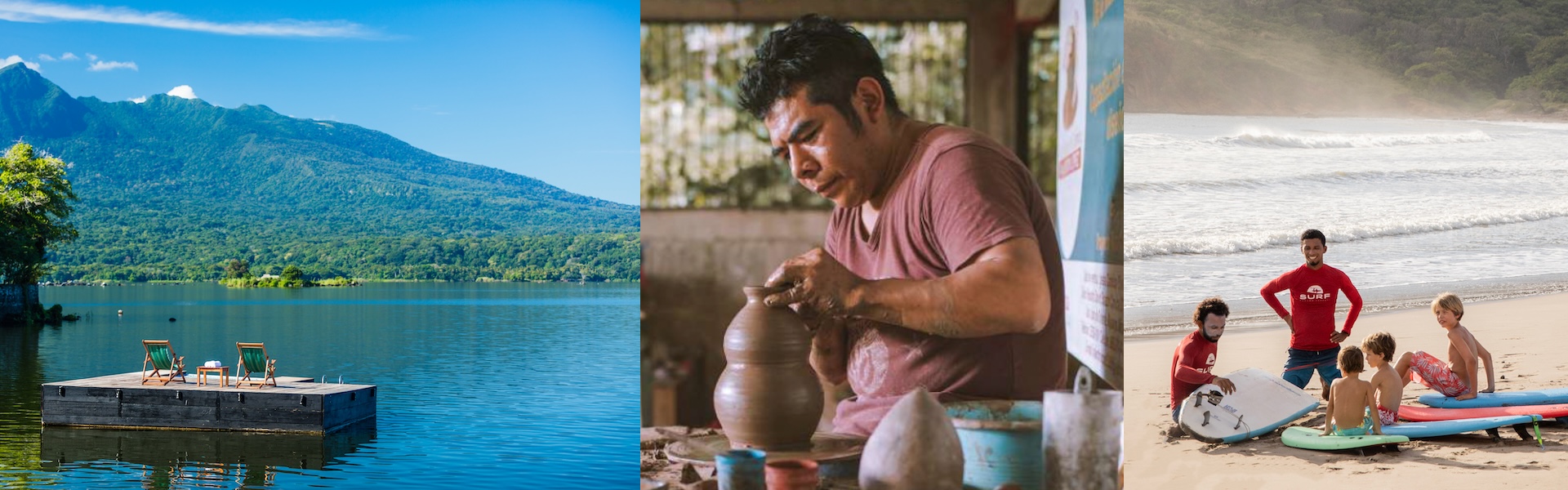
Nicaragua is the largest country in Central America, a land of striking contrasts where volcanic peaks rise above shimmering lakes and dense rainforests give way to long stretches of Pacific and Caribbean coastline.
The country’s landscape is dominated by two great lakes — Lake Nicaragua and Lake Managua — and a chain of volcanoes running through its western half, some of which are still active. This volcanic activity makes the soil exceptionally fertile, supporting the agriculture that sustains much of the population.
Nicaragua offers a diverse range of attractions for travelers, from natural wonders to colonial history.
Colonial Cities
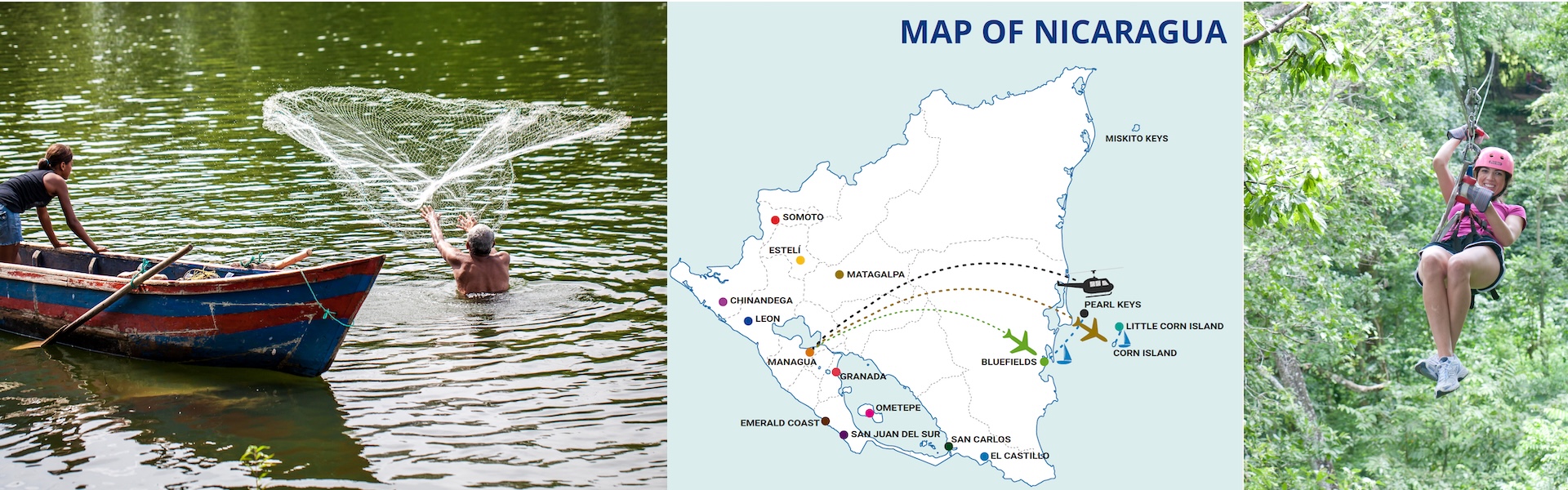
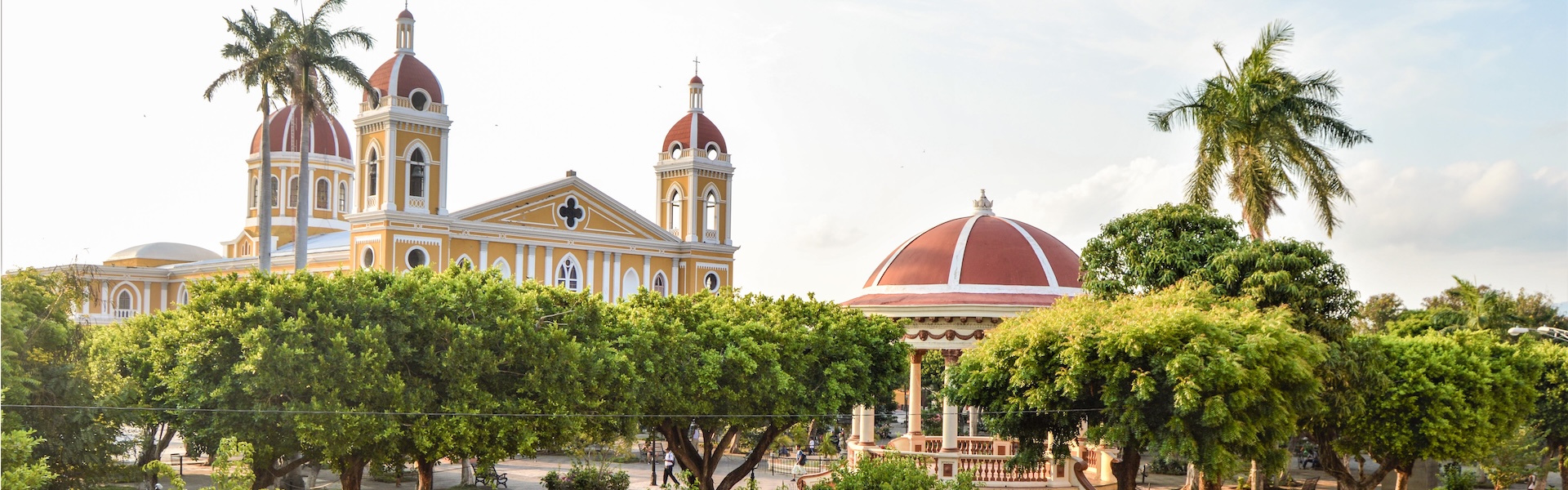
Granada is one of the oldest and best-preserved colonial cities in the Americas, with brightly painted churches, a lively central park, and easy access to the nearby Mombacho Volcano and the Isletas — a cluster of small islands formed by an ancient volcanic eruption on Lake Nicaragua. León, the intellectual capital, rivals Granada in colonial grandeur and is home to the stunning Cathedral of León, a UNESCO World Heritage Site and the largest cathedral in Central America.
Volcanoes
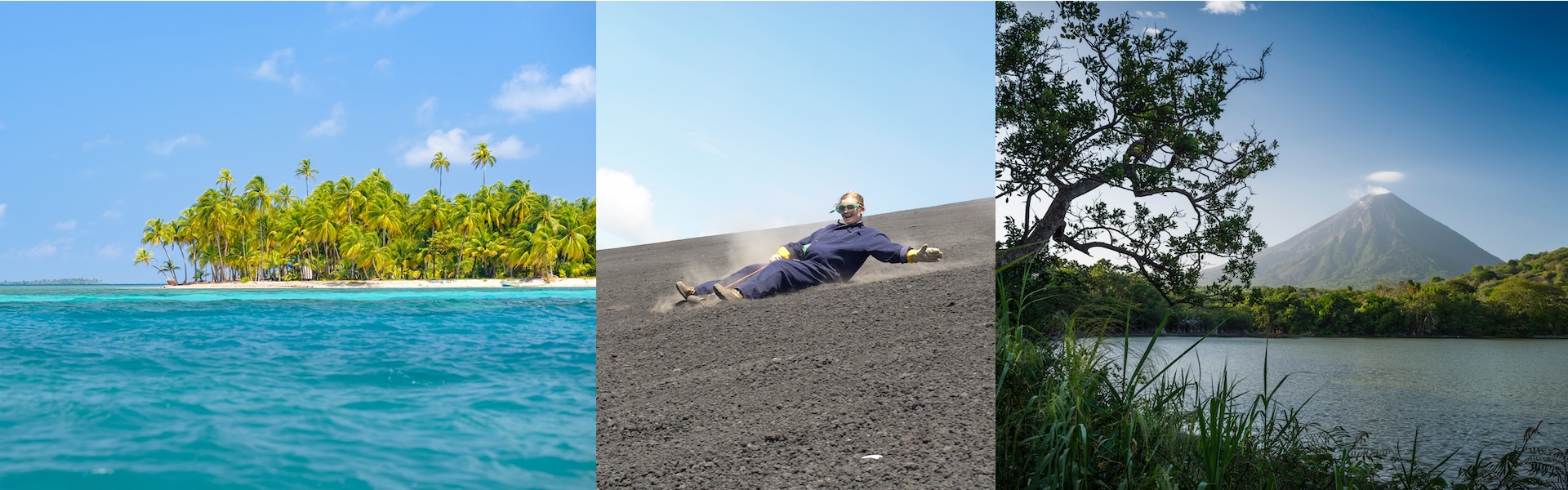
Nicaragua’s “Ring of Fire” geography makes volcano tourism a highlight. Cerro Negro, a young and still-active black cinder volcano near León, is famous for volcano boarding — sliding down its steep ash slopes on a wooden board. Masaya Volcano, just outside Managua, is one of the few places in the world where you can peer directly into an active lava lake. Ometepe Island, rising dramatically from Lake Nicaragua, is formed by two volcanoes and offers hiking, wildlife, and a deeply peaceful atmosphere.
Lakes and Waterways
Lake Nicaragua itself is a vast inland sea, dotted with islands and home to the rare freshwater bull shark. The Rio San Juan winds through pristine jungle from the lake to the Caribbean coast, offering boat trips through some of the most unspoiled wilderness in the region.
The people, known as Nicaragüenses, are a warm and resilient population shaped by indigenous, Spanish, and African roots. The country carries the memory of a turbulent 20th century — revolution, civil war, and natural disasters — yet maintains a strong sense of national identity and cultural pride, expressed through poetry, music, and folklore. Nicaragua has produced some of Latin America’s most celebrated poets, and literature holds an almost sacred place in the national culture.
The country has also developed a growing tourism sector, drawing visitors to its volcanoes, colonial towns, surf beaches, and the wild Corn Islands off the Caribbean coast.
Beaches
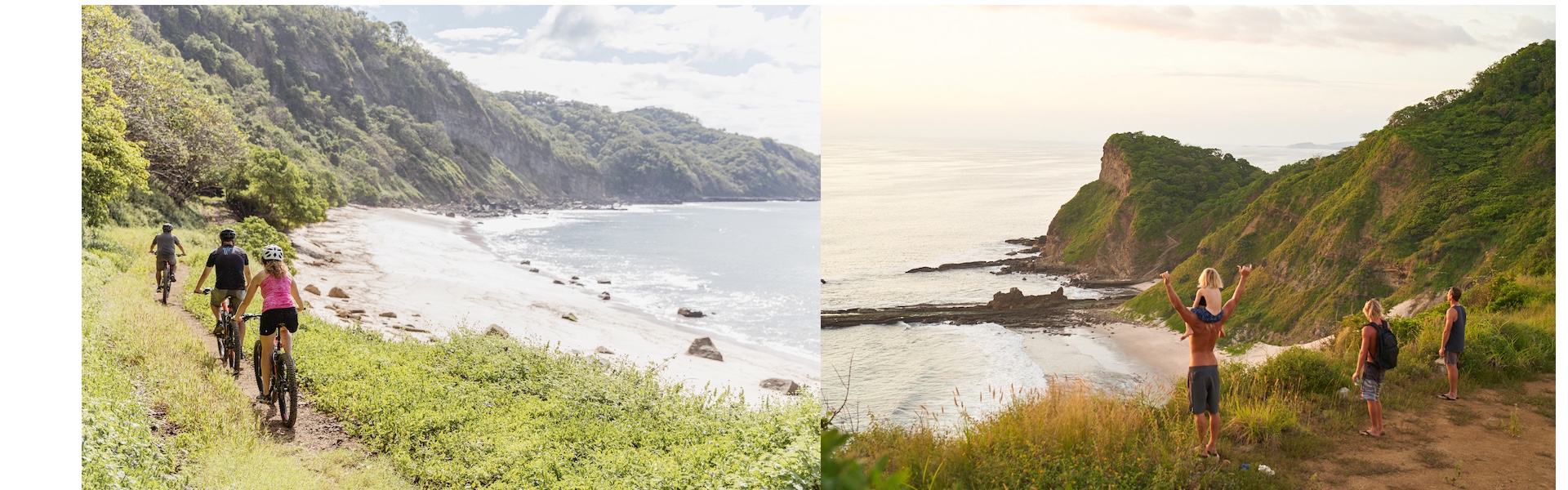
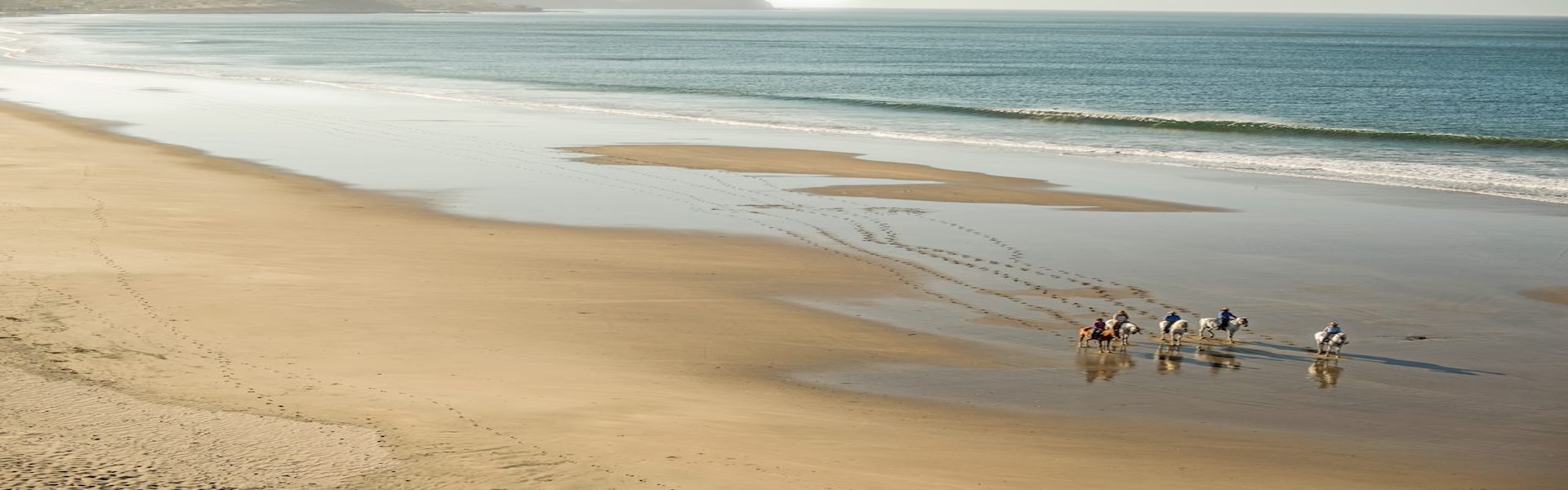
The Pacific coast has some of Central America’s best surf beaches, with San Juan del Sur being the most popular destination — a laid-back beach town with a lively atmosphere and access to several quieter coves nearby. Playa Maderas and Playa Hermosa are favourites among surfers.
The Caribbean Coast
The remote Corn Islands — Big Corn and Little Corn — offer white sand beaches, clear turquoise water, and excellent snorkelling and diving, with a distinct Afro-Caribbean culture that feels worlds away from the Pacific side of the country.
Wildlife and Nature
Nicaragua’s biodiversity is remarkable. The Indio Maíz Biological Reserve in the southeast is one of the largest protected rainforests in Central America, rich with monkeys, toucans, jaguars, and river wildlife. Sea turtle nesting sites along both coasts draw eco-tourists, particularly at La Flor Wildlife Refuge on the Pacific.
Culture and History
Beyond the cities, the Masaya Crafts Market is the best place in the country to find traditional Nicaraguan handicrafts, textiles, and ceramics. The ruins of León Viejo, the original colonial settlement destroyed by a volcanic eruption in 1610, is another UNESCO World Heritage Site worth visiting.
Nicaragua remains one of the least crowded tourist destinations in Central America, which in itself, is part of its appeal
Travel Info
WHEN TO GO: It is hot all year round. The drier months are between November and April with temperatures around 25-28 degrees celsius. Sep and October are best avoided due to heavy rain and storms.
WHO FOR: A perfect destination for adventurous Travellers, beach lovers who enjoy laid-back vibe and surfing or snorkelling, scuba diving on the Caribbean Coast. Birders, Nature Lovers and Cultural enthusiasts will love it too.
TYPE OF HOLIDAY: Honeymoon, Family, Jungle Adventure, Beaches, Surfing, Nature and Wildlife, Off-the-Beaten Path.
Need to Know
 CURRENCY: Nicaragua Córdoba
 LANGUAGE: Spanish
CAPITAL: Managua
 FLIGHT TIME: 15 hrs (in-direct from London, overnight in Miami, Mexico City or Costa Rica)
 VISA: Not needed for UK passport holders. US$10 Tourist visa paid on arrival
 TIME DIFFERENCE: GMT – 6 hours
 COMBINES WELL WITH: Mexico, Costa Rica, Miami, Panama